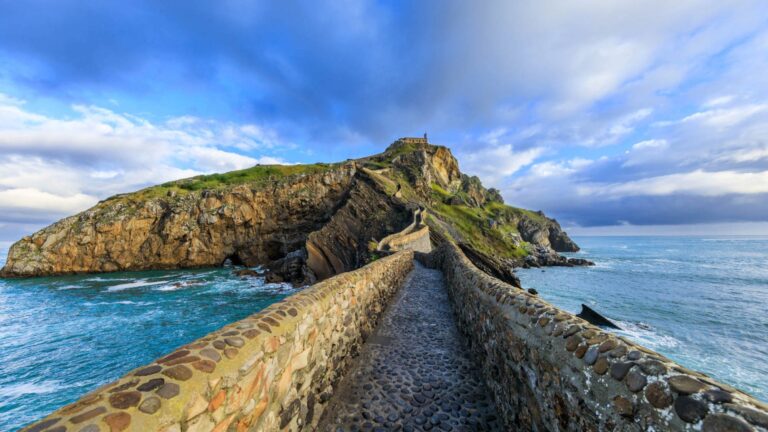
Segovia is one of the most beautiful cities in Spain. If you want to enjoy this exciting city, we tell you things to do in Segovia in a weekend.
From the moment you arrive, you’ll get an impressive first impression thanks to one of its three jewels: the Roman aqueduct, the cathedral or the Alcázar palace.
These monuments, which have become World Heritage Sites, make Segovia a place of active cultural and historical life.
A little history of Segovia
This site was discovered by the Celts and was later occupied by the Romans, who were one of the first to exploit this place. As a trace of this time, an impressive aqueduct survives, which testifies to the superiority of the Romans in civil constructions.
Around the year 1088 the King of Castile installed his court and Segovia began a period of prosperity, which today is reflected in the more than 40 Romanesque churches that can be visited throughout the city.
It also experienced historic moments such as the proclamation of Queen Isabella the Catholic as Queen of Castile in 1447. This period of prosperity was followed by two centuries of decline that coincided with the reign of the Habsburgs.
📷 Book here the day trip to Segovia from Madrid, with optional access to the Catedral and the Alcazar.
Map with things to do in Segovia in a weekend
Where to stay in Segovia
Ideally, sleep in the centre and explore the city on foot. If you go by car, forget about it during your visit. Our recommendations for where to stay in Segovia are as follows:
- Hosteria Natura: very close to the Cathedral, it is an ideal accommodation if you are looking for a low price. It is not very comfortable, but its cleanliness is excellent.
- Hotel Don Felipe: close to the Alcazar, it is a very comfortable accommodation with parking for cars. Spacious and modern rooms with views and a large outdoor garden to have a drink and relax.
- Hotel Cetina Palacio Ayala Berganza: just 300 metres from the aqueduct, it is housed in a fully restored 15th century medieval building that maintains its original beamed ceilings and tiles. Comfort, luxury and excellent breakfast.
🏨 Looking for other options? Find the best accommodation in Segovia here.
1) Dazzle yourself with the Segovia Aqueduct
Of the remains of the Roman invasion of Spain, the Segovia Aqueduct is undoubtedly one of the most spectacular. This monumental work of Roman engineering is made up of 167 stone arches with a total length of 794 metres and almost 30 metres high.
This was an essential work for transporting water over a length of 16,000 metres, taking advantage of the levels of the land to supply the inhabitants of Segovia. It was declared a World Heritage Site by UNESCO. A must-see in Segovia in a weekend.
Where to take the best photo of the aqueduct of Segovia
There are two places to take the best picture of the Segovia aqueduct. One is from the Plaza del Azoguejo, which is the place where the aqueduct sits. From here you will see the aqueduct from below and be impressed by its size and height.
The other place is the viewpoint of the Segovia aqueduct, located next to the postigo del Consuelo. From here the view changes completely, as you will find yourself at one end of the aqueduct and at the highest part of it.
📷 Discover the most important sites of the city with an expert guide by booking the free tour of Segovia.

2) Walk along Calle Real
Enjoy a walk along this street, which you won’t be able to find on the map by that name. Originally, this stretch was known as Cinteria, because there were many shops selling ribbons and threads.
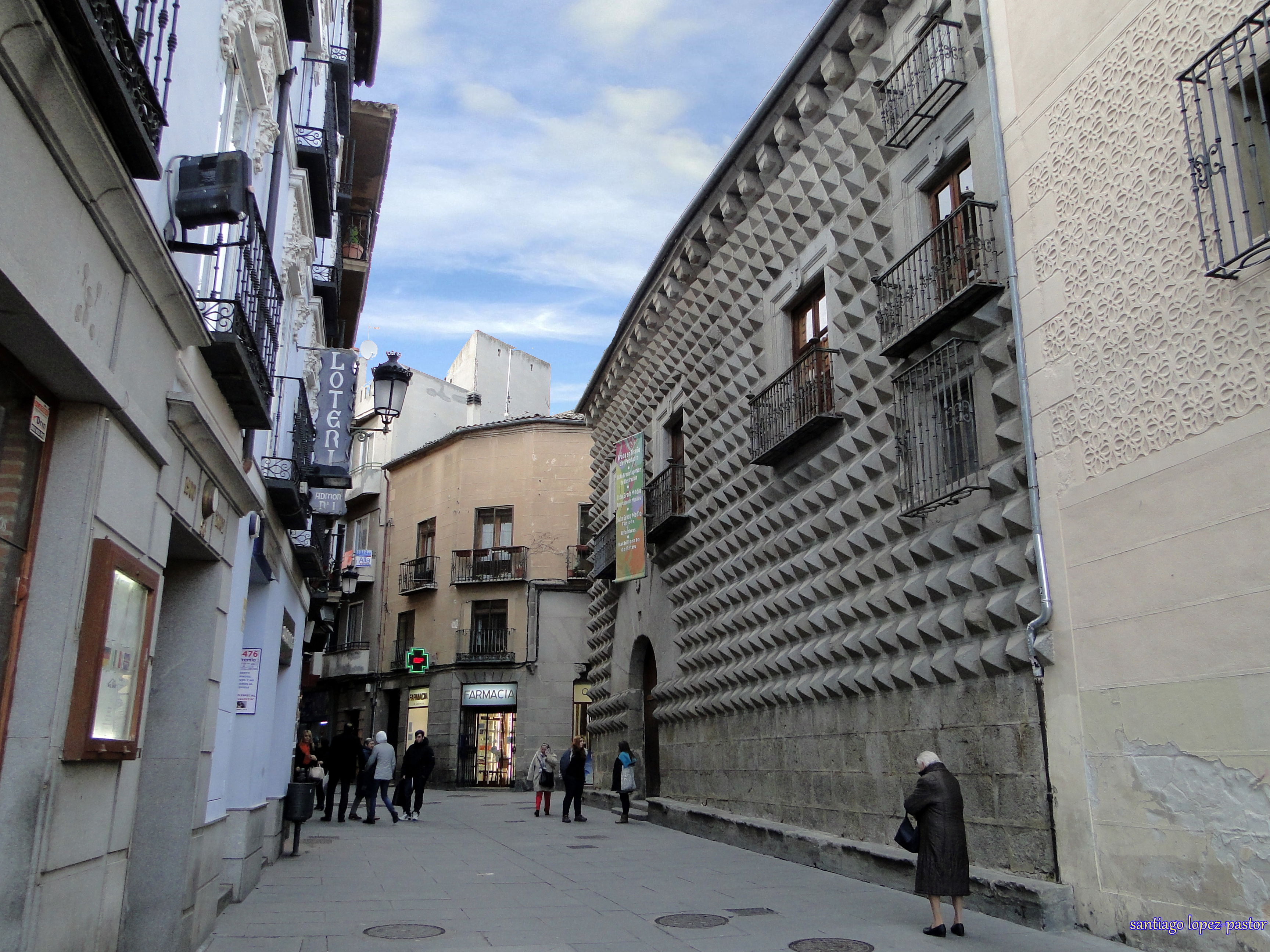
Calle Real is the name given to the stretch that starts at the Aqueduct, continues along the streets of Cervantes, Juan Bravo, the Plaza del Corpus Christi and, finally, the small stretch of the Calle de Isabel la Católica until it reaches the Plaza Mayor. Some of the places to visit on your route are:
- The Canaleja viewpoint: located in what used to be the city gate, it has beautiful views of the Sierra de Guadarrama.
- La Casa de los Picos: known for its façade with 617 granite peaks, today it is the art school of Segovia. It also has 5 balconies and on the entrance door you can see the coat of arms of the de la hoz family. In the courtyard and the hallway you can see tiles painted with the different buildings of Segovia.
- El Torreón de Lozoya: named after the last family that lived there, it is a small palace in medieval style. Inside you can see the remains of a Roman thermal bath.
- Cárcel Real (Royal Prison): in the building of the current public library, there used to be a prison that functioned until 1933. The playwright Lope de Vega was imprisoned in its cells in 1577.
- Palacio de Cáscales or Conde Alpuente: a beautiful 15th century palace that is today the delegation of the Consejería de Fomento. Inside it has a beautiful stained glass window that illuminates the entire interior.
3) Visit the imposing Segovia Cathedral
Thanks to its elegance and visual beauty, this cathedral became known as the ‘Lady’ of cathedrals. In its construction you can distinguish a late Gothic style with some Renaissance features. Its real name is Santa Iglesia Catedral de Nuestra Señora de la Asunción y de San Frutos.
In its interior, beautiful and colourful stained glass windows in Flemish style stand out and give colour to the church. These were designed to tell the story of the history and miracles of Jesus Christ and the Virgin Mary.
One of the highlights of this cathedral is its tower. Originally, its capital was made of mahogany wood that was brought from America in the 19th century. Unfortunately, a fire destroyed this capital and it had to be rebuilt. Today the tower can be visited as part of the guided tour of the temple and from its highest point there are beautiful panoramic views of the city.
📷 Book here the guided tour of Segovia, with access to the Cathedral and Alcazar. A complete tour through the history of Segovia.
4) Stroll around the Plaza Mayor
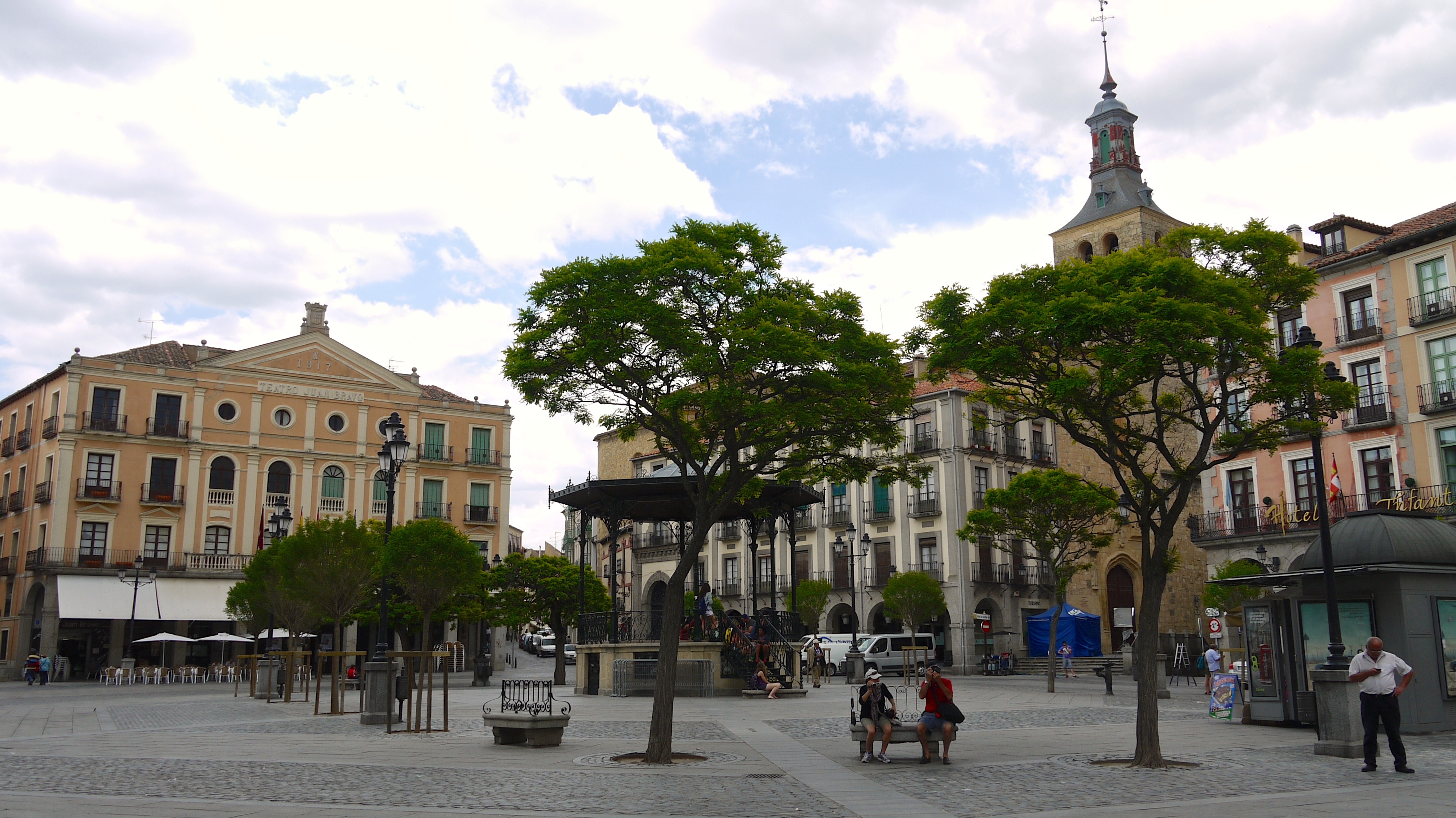
It was known as Plaza de San Miguel thanks to the church of the same name that once occupied this space. The building was demolished in 1532, after its roof collapsed, and was moved a few metres away. It was here that markets were held and where Isabella the Catholic was proclaimed Queen. In the surrounding area you can see:
- Casa Consistorial: current seat of the Town Hall, it was built in a very sober architectural style in contrast with the baroque style of the time. Its granite façade, towers with slate spires and clock with bells stand out.
- Juan Bravo Theatre
- Music Kiosk
🍺If you are looking for a typical Sevillian dish, this is one of the places with the most restaurants. Some of the best known are José María or Mesón de Cándido. Both serve the typical roast suckling pig. As the name suggests, it is a roast pig that is so tender that you cut it with a plate. You have to try it!
5) Walk around the Jewish quarter of Segovia
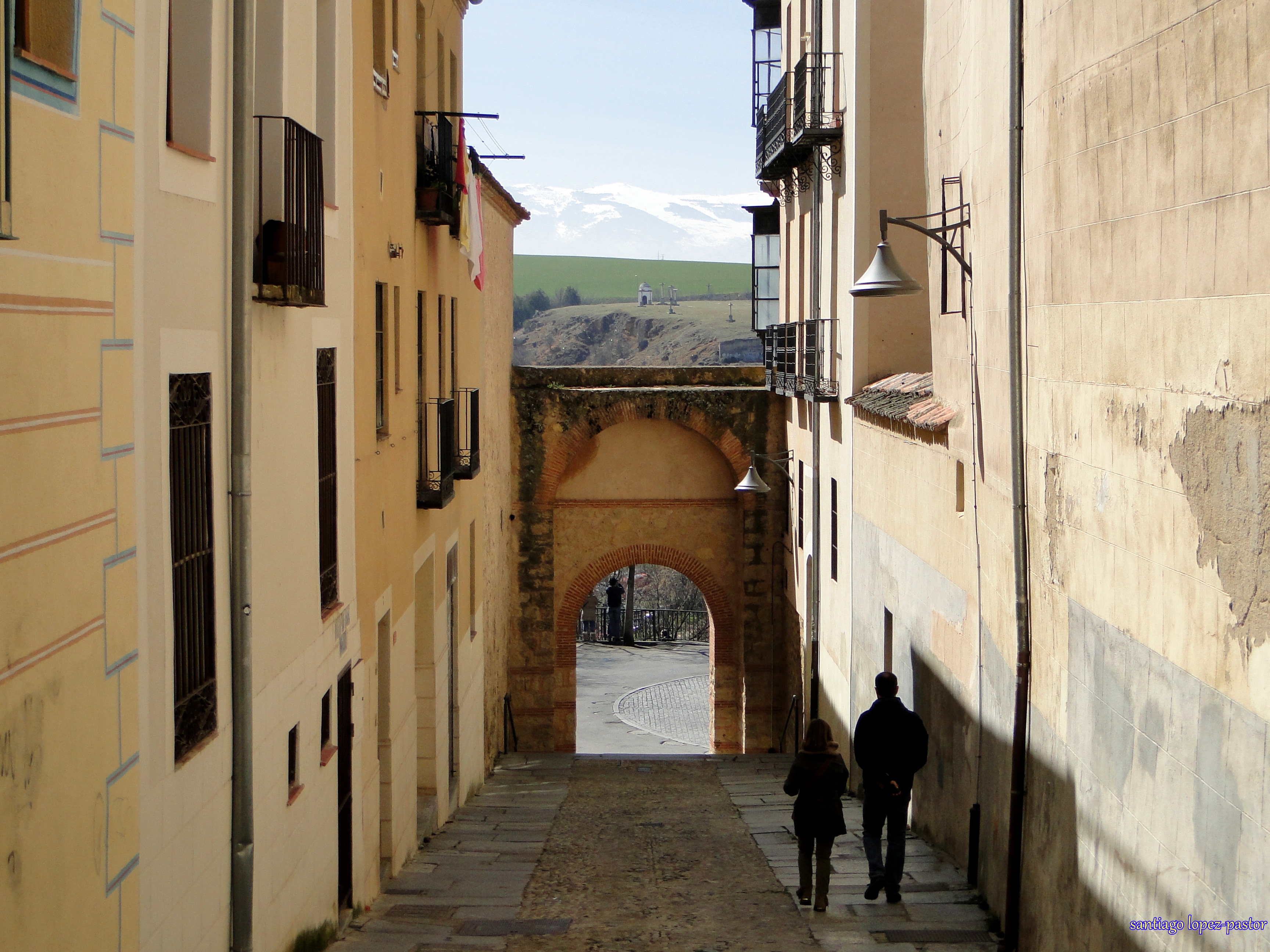
The neighbourhood was inhabited by the Jewish community from the 12th century until its expulsion by the Catholic Monarchs in 1492. It is considered to have been one of the most prosperous and populated communities in Castile in its time. This neighbourhood was enclosed by seven arches, behind Segovia Cathedral and next to the city wall.
Hidalgo House
This is the current home of the Rodera-Robles Museum, which shows what the house was like in its time, and also has an art collection.
Corpus Christi Convent
The former major synagogue, and one of the five that existed in the history of Segovia. It consists of a room surrounded by columns divided into three naves, separated by horseshoe arches and octagonal pillars, topped with capitals of pine cones and scrolls.
Gate of San Andrés
One of the gates in the wall and also known as Arco del Socorro, after the image of the Virgin of Socorro that was added in the modern age. Nearby, you can visit the interpretation centre to learn more about the wall.
House of Abraham Seneor
Rabbi Abraham Seneor was one of the most renowned and powerful people of his time, as he was an advisor to Queen Isabella the Catholic. He was a great influence on the marriage of Isabella and Ferdinand, as well as being one of the driving forces behind Christopher Columbus’ project.
This was his last house before the expulsion, and inside it he had a small synagogue. Today, it houses the Centro Didáctico de la Judería, a space dedicated to the dissemination of the history of the Sephardim of Segovia, with infographics and objects.
6) Visit the great Alcazar of Segovia
Another of the essential things to see in Segovia in a day or weekend. It is one of the most characteristic medieval castles in Spain. It has the UNESCO World Heritage designation and dates from the early 12th century. It was a Roman, Visigoth, Muslim and Christian fortification. Its name comes from the Arabic language, where Alcázar means fortified royal residence.
The castle has an outdoor area where you can visit the courtyard, the moat and the raised bridge. Inside you can see the Throne room, the Galley room, the Pineapple room, the Kings room and others. It is also possible to visit the Museum of the History of the Artillery College.
From the outside, what stands out most is the Tower of Juan. This tower of 152 steps is an isolated tower of the fortification wall that was built for greater protection. From the top you can enjoy incredible panoramic views of Segovia.
✏️ The ticket includes access to the main rooms of the palace and a visit to the Artillery Museum. There is an extra charge for access to the ascent to the Tower of Juan II. The visit can be made in a guided group or on your own, with or without an audio guide.
💯 Fun fact: Walt Disney is said to have used this castle as an inspiration to create the castle of the villainess in Snow White.

7) Stroll through the district of Las Canonjías
This neighbourhood is close to the Alcázar and is one of the best preserved in the upper city. Its name comes from its inhabitants, the 12th century clerics, who built their own neighbourhood to be close to the Cathedral.
The most curious thing about this neighbourhood is that the aqueduct canal is hidden beneath its streets, which is why the houses in this area had running water. It also has traces of Roman times and of Segovia’s Islamic influence.
8) Things to do in Segovia in a weekend, the Antonio Machado House
In the pension where Antonio Machado lived from 1919 to 1932, today it is possible to visit a small museum in his honour. Inside, which is kept very modest as it was in his time, it is possible to see the writer’s handwritten letters, objects and books.

9) Romeral de San Marcos
Leaving the city walls, you can visit this garden with more than 300 botanical species from all over the world. The Uruguayan landscape designer Leandro Silva Delgado started this beautiful garden that is located on a slope, which allowed him to create a risk system inspired by Islamic systems. It is a beautiful walk to enjoy because it is almost a living work of art.
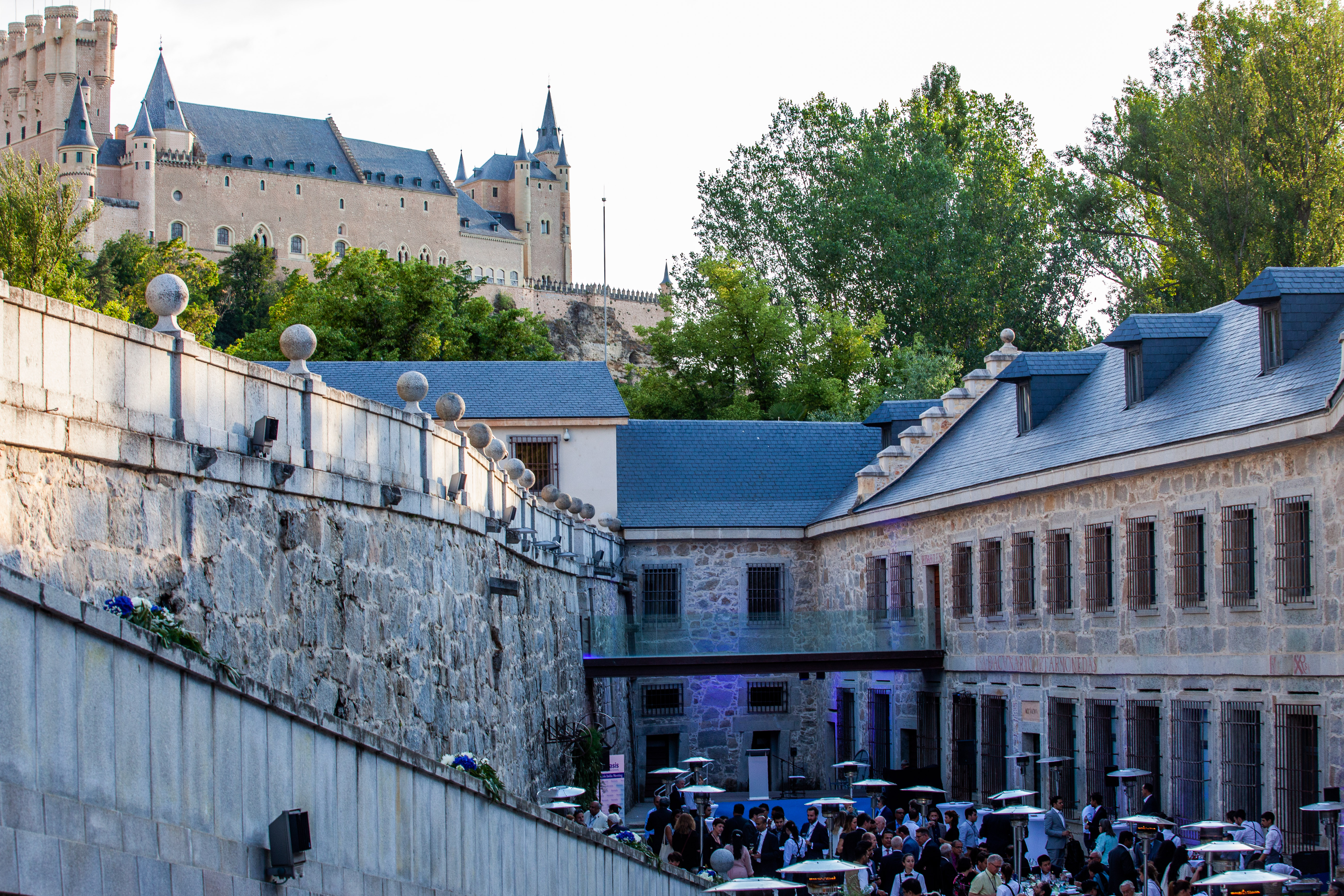
10) Royal Mint Museum
King Felipe II was looking to mint coins quickly and perfectly, and he found the solution in this new manufacturing system which produced coins mechanised, in series and in the same way. Thus, in 1583, the first mechanised mint in Spain, directly owned by the Crown, was built. The Industrial Revolution was still some years away when Segovia founded the mint to house this machinery.
Today it is a museum where you can see interesting pieces such as the bronze Ace, a coin from Roman times that was minted between 20-30 B.C. It is considered to be the first historical document on which the word ‘SEGOVIA’ appears written.
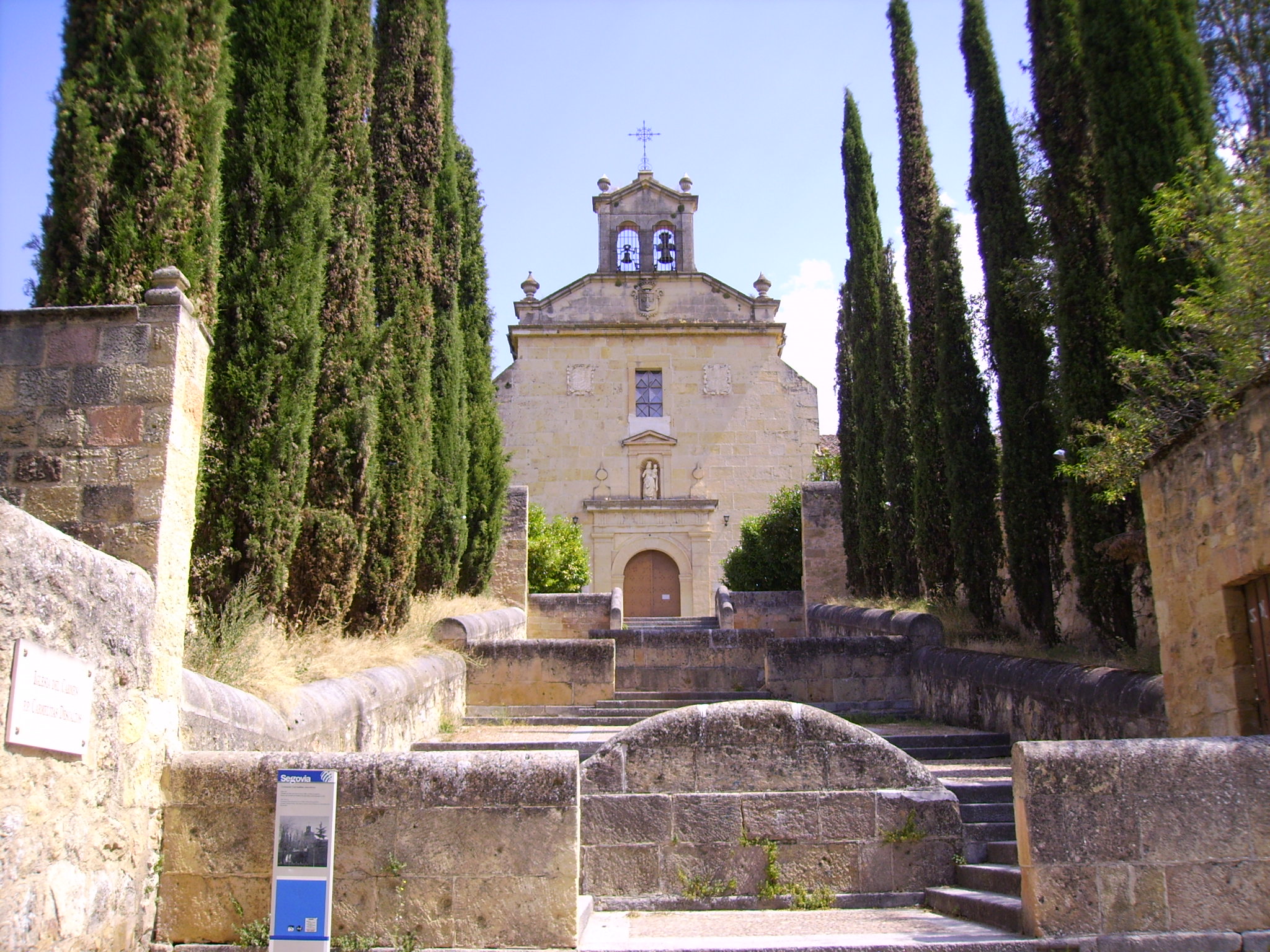
11) The Convent of San Juan de la Cruz
Founded by San Juan de la Cruz himself in 1586, it is the convent of the Carmelites and is an exponent of its time. To visit it you have to climb up Mount Carmelo via its stone steps.
Inside the church there is a main altar and a modern altarpiece with nine paintings inspired by the poetic work of St. John, painted by the Mexican Gerardo López Bonilla on the occasion of the visit of John Paul II in 1982. The remains of St. John rest in a sumptuous sepulchre built to commemorate his canonisation.
📢Just opposite is the Mirador de la Pradera de San Marcos, a small park with incredible views of the Alcázar. It is an ideal place to end your day in Segovia, as at sunset the change of light illuminates the building in orange and gold colours.
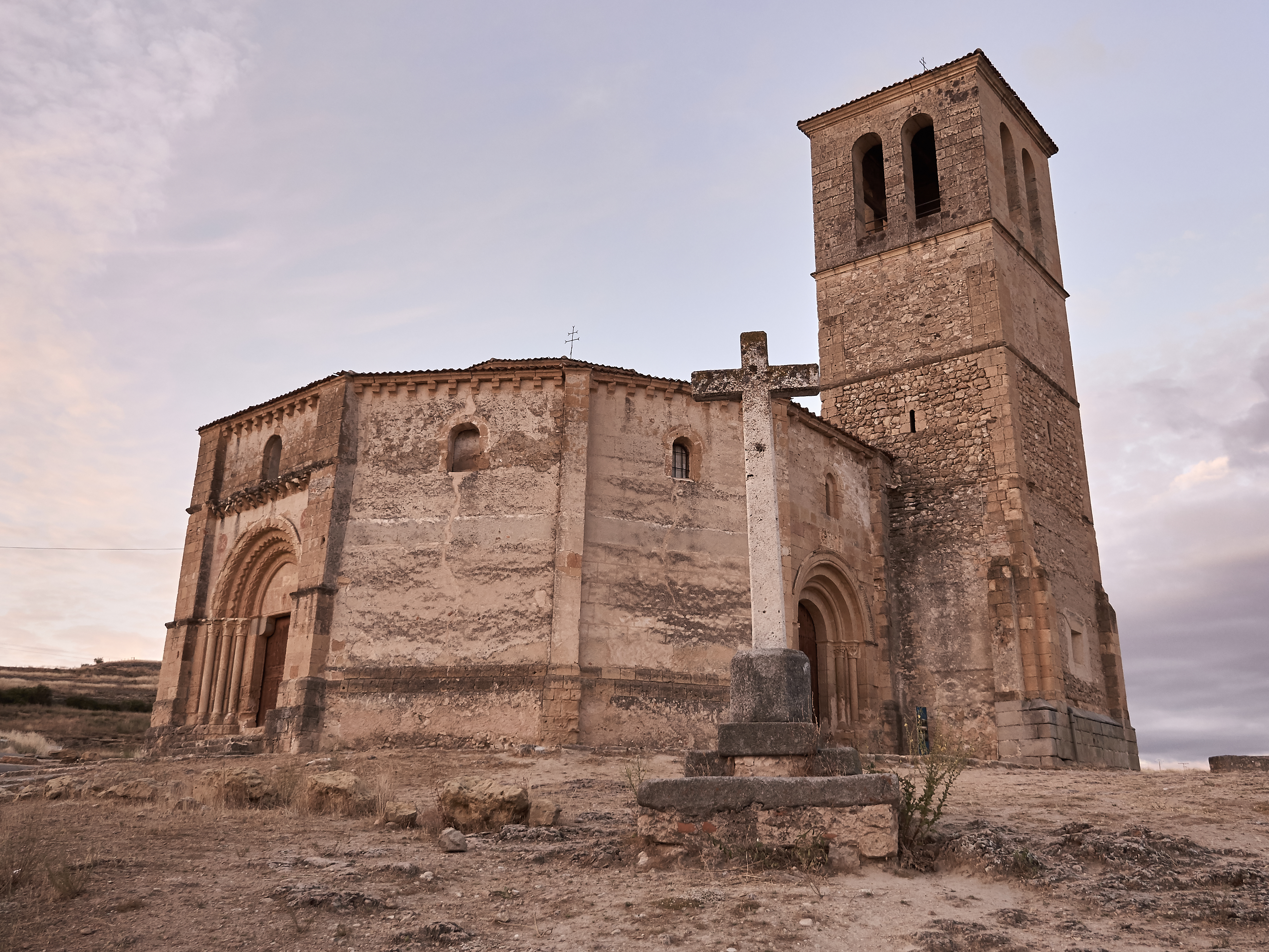
12) Church of the Vera Cruz
Also known as the Church of the Holy Sepulchre, it is a Romanesque style temple with a decagonal floor plan. Some investigations say that this temple was built by the Templars, although others believe that it was the Order of the Holy Sepulchre of Jerusalem that built it.
For several centuries an important relic was kept here: a piece of the cross of Christ, which was later transferred to the Church of Granda. It is one of the recommended places to see in Segovia in two days.
📷 Do you want to see the historic centre of Segovia from a different perspective? Book a balloon ride over Segovia, a fantastic experience to see the main monuments of the city from above.
How to get to Segovia from Madrid
It is most common to visit Segovia from Madrid if you are touring Spain. There are three options for getting to Segovia from Madrid:
- Train: this is the quickest way to get from Madrid to Segovia, taking only 20 minutes. Trains depart from Chamartín station and arrive at Segovia Guiomar station. Segovia train station is far from the city centre, so once you arrive you have to choose between a taxi or the bus line 11 which for €2 will take you to the city centre.
- Bus: the cheapest way to get to Segovia from Madrid. Buses leave from the Moncloa Interchange, although the journey is longer than by train (1 hour and 20 minutes). The price is € 4.20.
- Car: whether you own or hire a car, it takes about an hour to get there from Madrid. The car allows you to visit other places close to Segovia such as Granja de San Idelfonso or even take a route around the area.
Where to park in Segovia if you go by car
The reality is that you don’t need a car to get around the historic centre. All the places of interest are close to each other, plus many areas are pedestrianised or are blue zones where you have to pay.
There are many paid car parks around Segovia where you can leave your car. These car parks are located about five minutes walk from the historic centre.
If you want to park for free in Segovia there is an uncovered car park on Avenida Cta. de los Hoyos almost at the intersection with Calle La Piedad, whose entrance is next to a roundabout. In the streets around this car park you can also park for free.
What you need for your trips to Europe
Plan your journey easily with these trusted resources: